The Allure of Denim Texture in Design
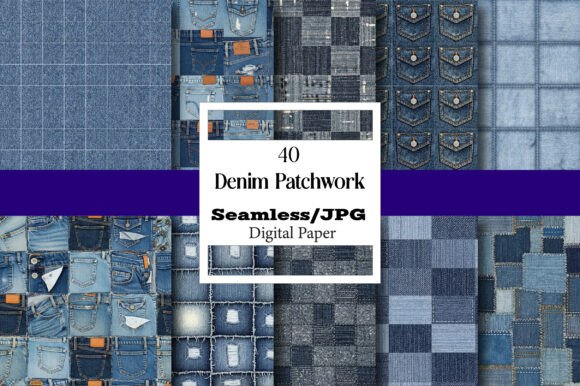
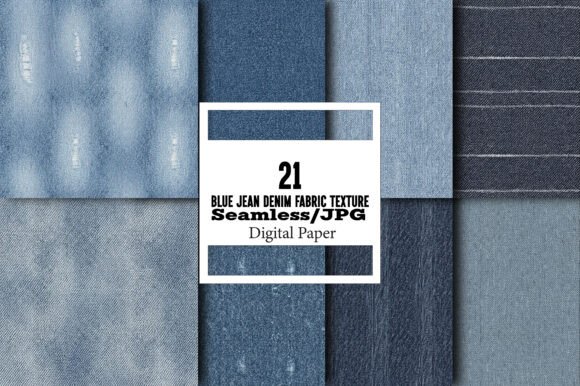
Imagine instantly injecting a touch of casual, rugged charm and timeless style into any creative project, and that’s precisely the power of a well-crafted Blue Jean Denim Fabric Texture Pattern.
This versatile graphic asset transcends mere decoration, acting as a foundational element that evokes familiarity, durability, and a relaxed aesthetic. In the realm of graphic design and visual communication, texture is a silent storyteller, and the iconic weave of denim speaks volumes.
A Foundation for Authentic Branding
Texture patterns are more than just backgrounds; they are tools for building brand identity. The Blue Jean Denim Fabric Texture Pattern offers a unique blend of heritage and contemporary cool, making it an excellent choice for brands aiming for an approachable, honest, or artisan feel.
Its application goes far beyond fashion-related projects. When integrated thoughtfully, it can strengthen visual storytelling across:
- Branding & Logo Design: Used as a subtle backdrop or integrated into logo elements to suggest craftsmanship.
- Packaging Design: Perfect for product labels, boxes, and wraps, giving items like candle soap labels or cute tote bags a tactile, premium look even before purchase.
- Digital & Print Marketing: From social media graphics that stand out with a textured background to editorial layouts in magazines or blog posts, it adds depth and interest.
Unlocking Creative Applications
The practical value of a high-resolution, seamless pattern lies in its adaptability. Designers and creators can resize it without loss of quality, making it a single asset that serves multiple functions across a unified brand system or a series of creative projects.
Consider these direct applications where such a texture elevates the final product:
From Digital to Physical: Endless Possibilities
The journey from a digital file to a tangible object is seamless. With a 300 DPI JPG format, the pattern is ready for high-quality printing and sublimation, ensuring crisp results on physical goods.
This opens the door for personalized pillows, tumbler and mug wraps, playing cards, and custom apparel. For digital creators, it becomes a key component in website graphics, trendy social media backgrounds, and UI elements that require a more organic, less flat appearance.
Integrating Texture into Your Design Workflow
Selecting and using a texture pattern effectively requires a mindful approach. First, assess your color palette and overall modern aesthetics. The classic blue denim hue can be adjusted or overlayed with other colors to match your brand identity.
Visual hierarchy is crucial; ensure the texture supports, not overwhelms, your primary content like text or key imagery. For readability in editorial design or on website graphics, use the pattern in areas with ample negative space or at a reduced opacity.
Always test for scalability—a good pattern should look consistent whether it’s on a mini junk journal cover or a large poster for party decorations. Its role should be to enhance the user experience and engagement, providing a cohesive visual thread across different touchpoints like invitations, KDP book covers, or digital presentations.
Ultimately, the choice of a foundational design element like the Blue Jean Denim Fabric Texture Pattern is a strategic one. It’s about choosing an asset that offers not just visual impact but also immense usability, helping you communicate brand values and connect with your audience on a more sensory level. In a world saturated with flat graphics, a touch of authentic texture can be the detail that makes your design work feel considered, professional, and genuinely engaging.