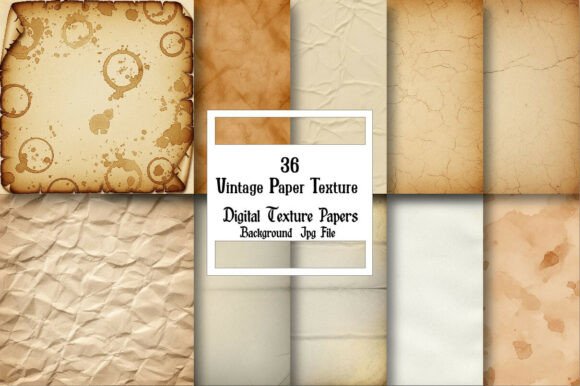
Unlock Creative Workflows with Vintage Paper Texture Backgrounds
The pursuit of authentic, textured aesthetics in digital design is a constant process. For creators navigating projects from initial concept to final product, integrating a cohesive visual foundation is a critical early step. A Vintage Paper Texture Background is not merely an asset; it is a versatile component that establishes tone, adds depth, and provides a consistent canvas for a multitude of creative executions. Understanding how this resource fits into your broader workflow—from preparation through to final application—can dramatically streamline your process and elevate the quality of your outputs.
Establishing Your Creative Foundation
Before diving into any creative project, defining the visual mood is a fundamental planning task. A Vintage Paper Texture Background serves as this foundational layer. Its inherent characteristics—the subtle imperfections, gentle color variations, and tactile feel simulated in a digital file—immediately communicate warmth, nostalgia, and craftsmanship. This decision influences subsequent choices, such as color palettes, font selection, and layout styles. By selecting this background early, you create a constraint that paradoxically fuels creativity, ensuring all other elements harmonize with the established texture. For professionals and hobbyists alike, this step avoids the common pitfall of endlessly switching assets mid-project, saving time and maintaining focus.
Integration Across Tools and Platforms
The practical utility of a vintage paper texture lies in its seamless integration with the tools you already use. Whether you are working in graphic design software like Adobe Photoshop or Illustrator, a simpler online editor like Canva, or even directly within a printing software interface, the high-resolution JPG format ensures compatibility. The 300 DPI specification is a key factor for quality control, guaranteeing that the texture remains crisp and detailed whether output for a large poster or a small, intricate sticker. This interoperability means you can move the same asset through different stages of your workflow: from a digital social media graphic draft to a physical product label print file without losing integrity.
From Digital Asset to Physical Product: A Process-Oriented View
The journey of a vintage paper texture from download to final application is a testament to modern hybrid creative processes. The instant digital download is your first actionable step—acquiring the resource without delay to begin implementation. The note that dimensions can be resized is not just a feature; it's an instruction for efficient workflow management. For a small business owner producing a line of candle labels, this means using the same background file for different jar sizes by simply adjusting dimensions in a template, ensuring brand consistency across products.
Consider a creator planning a boutique notebook series. The vintage paper texture becomes the cover background. This decision precedes the design of interior layouts. The texture influences the choice of mockup fonts and the style of any illustrated elements added on top. The final files are then prepared for print-on-demand platforms (KDP), with the high-resolution background ensuring professional print results. Similarly, a crafter making junk journals uses the texture as both external cover and internal page backgrounds, printing multiple copies at home. Here, the texture interacts directly with physical materials—the chosen paper stock and binding method—where its realistic appearance enhances the handmade feel.
Optimizing for Specific Use Cases and Outcomes
Different projects demand different implementations. For sublimation graphics intended for tumblers and mugs, the texture must be flawlessly integrated into a wrap design template, considering the curvature of the object. The seamless nature of some files in a pack is crucial here, preventing visible tiling lines. For party decorations like customized napkins or plates, the texture might be overlaid with celebratory text; its role is to provide an elegant base that makes the typography stand out without competing. In website graphics or social media backgrounds, the texture adds organic visual interest behind content, improving engagement without overwhelming the primary message. Each application requires a slight adjustment in process: scaling, layering, and combining with other assets.
Streamlining Multi-Project Resource Management
For entrepreneurs and frequent creators, asset organization is key for long-term efficiency. A well-chosen vintage paper texture pack can become a reusable resource across multiple projects and even business lines. Imagine a wedding planner who uses the same texture suite for invitation digitals, bridal shower signage printables, and thank-you card designs. This creates a recognizable visual thread for the client's event, streamlining the designer's work and reducing asset sourcing time. Marketers can use the texture for a campaign series, from initial email graphics to follow-up social media posts, ensuring visual coherence. Storing these original files (without watermark) in a clearly labeled digital library, alongside notes on successful past uses, turns them from single-use items into integral parts of your creative toolkit.
The practical note about the file being provided without a watermark is essential for a smooth execution phase. It removes an extra step of asset preparation, allowing you to move directly into your design or printing software. This attention to usable deliverables reflects an understanding of the end-user's workflow, where barriers between download and application are minimized.
Practical Tips for Implementation and Quality Assurance
To integrate a vintage paper texture background smoothly, adopt a methodical approach. First, align the texture's mood with your project's emotional goal. Is it a warm, personal baby shower invite or a sophisticated book cover? Select the appropriate texture variant from your pack. Second, in your design software, place the texture as the bottom layer. Lock this layer to prevent accidental moves as you build over it. Use blending modes and opacity adjustments carefully to let other elements interact naturally with the texture, rather than just sitting on top. Before final output, especially for physical products like pillows or tote bags via sublimation, create a test print on a small sample material. This checks how the texture's details and colors translate in the real-world medium, a crucial quality control step often overlooked in digital-only workflows.
For purely digital uses, such as website backgrounds or presentation slides, consider performance. A high-resolution file can be large; optimize its final size for web use to ensure fast loading without sacrificing visual detail on screen. This balancing act between quality and usability is part of the skilled implementation process.
The Broader Creative Ecosystem
A Vintage Paper Texture Background rarely exists alone in a final product. It interacts with other design decisions and assets. In scrapbook decoupage, it is the base upon which photographs, ephemera, and ink stamps are arranged. Its role is to unify these disparate items into a cohesive page. For printable fabric, the texture becomes part of the material's surface design, interacting with the fabric's weave and the project's sewing pattern. In crafting personalized pillows, the digital texture is sublimated onto the fabric, then that fabric interacts with the pillow's form, stuffing, and any additional embellishments like piping or tassels. Recognizing these interactions helps you anticipate challenges, such as ensuring the texture pattern aligns correctly on a sewn item or that its contrast is sufficient for text readability on a product label.
The listed applications—from playing cards to wall art—demonstrate the texture's role as a versatile substrate. Its implementation is less about a rigid step-by-step and more about understanding its function as a foundational layer within a larger creative or production system. Whether you are a freelancer assembling a client's brand kit or a hobbyist making handmade stationery, this perspective allows you to deploy the asset with confidence and strategic purpose.
Long-Term Value and Iterative Use
Finally, consider the long-term workflow benefits. A quality vintage paper texture background, due to its timeless aesthetic and high technical specifications, can be used iteratively. As your skills or business grow, you can return to the same asset for new projects, perhaps using it in more advanced ways—creating intricate cut-outs for layered paper crafts or combining multiple textures for complex digital composites. This reduces perpetual resource hunting and builds a signature style. Organizing your projects around such reusable, high-quality assets fosters both efficiency and creative consistency, turning individual tasks into a coherent, productive practice. The initial download is just the start of its journey through your creative process.